
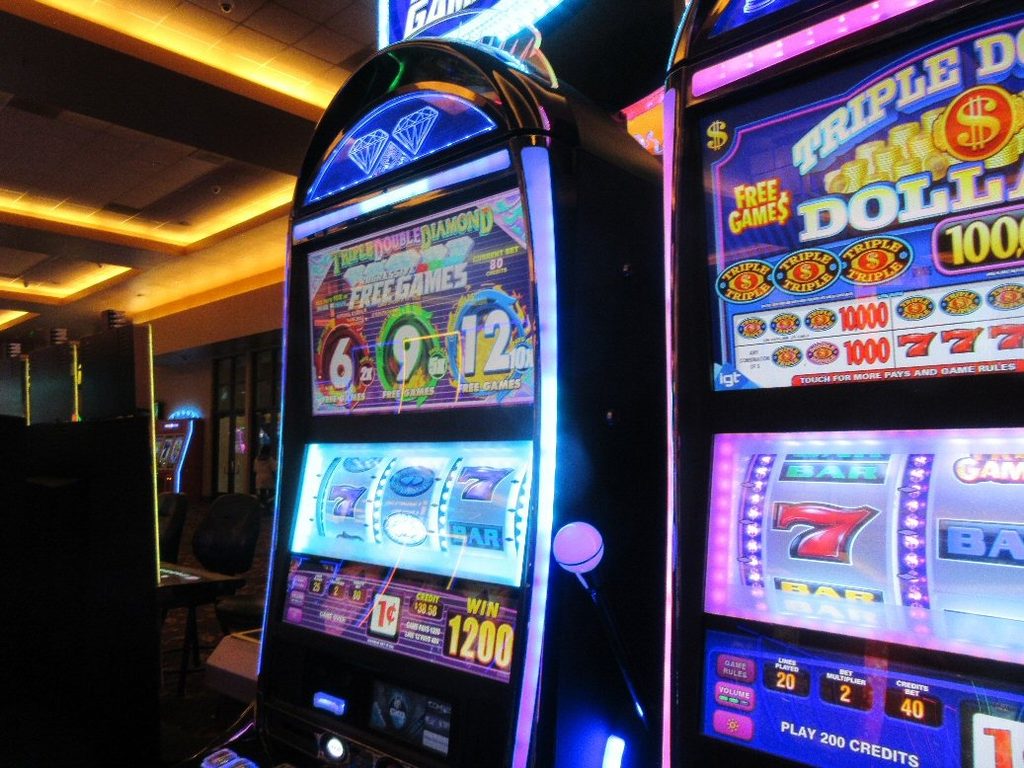
Press the spin button on any modern slot and the outcome is decided before the reels even stop moving. There is no mechanical luck involved and no timing skill to learn. What looks like a simple game of spinning pictures is actually a small piece of audited software making thousands of decisions every second. Understanding what happens inside that software changes how you see every win, every loss and every near miss.
The Random Number Generator
At the heart of every slot sits a random number generator, usually shortened to RNG. This algorithm produces a continuous stream of random numbers, cycling through them whether anyone is playing or not. The instant you press spin, the game captures the current number and uses it to determine exactly where each reel will stop. Everything after that moment — the spinning animation, the sounds, the suspense — is presentation layered over an already-decided result.
Because the numbers never stop flowing, two spins a fraction of a second apart can produce completely different outcomes. There is no memory of your previous results inside the generator, and nothing you do at the controls can influence which number gets captured.
From Number to Symbols
Each captured number is mapped onto the reel strips through a weighted table. Common symbols are assigned many stopping positions, while premium symbols and bonus icons receive very few. This weighting is why five matching lemons feel routine but five matching jackpot symbols can go unseen for months. The visible reel is only a window; the underlying maths decides how often each combination can realistically appear across millions of spins, which is why identical-looking games from different studios can behave very differently in practice.
Why Every Spin Is Independent
Independence is the hardest idea for many players to accept, yet it is the foundation of honest สล็อต games. A machine that has paid nothing for hours is not storing up a win, and a machine that just paid a jackpot is not suddenly empty. Each spin starts from the same probability table as the one before it. Believing otherwise leads to the classic trap of chasing losses on a game that owes you nothing.
Return to Player Explained
Return to player, or RTP, describes the long-term share of stakes a game is designed to give back. A slot set to 96 percent RTP will, across hundreds of millions of spins, return about 96 units for every 100 wagered. It says nothing about your individual evening, which can finish well above or below that figure. Think of RTP as climate rather than weather: useful for choosing where to play, useless for predicting tonight.
What This Means for Players
Once you accept that outcomes are random, weighted and independent, the sensible strategies become simple ones. Choose games whose RTP and volatility suit your budget, set a stake that buys you plenty of spins, and treat bonuses as entertainment rather than income. Knowledge does not change the odds, but it completely changes the experience of playing.
Slots reward informed patience far more than superstition. Learn how the generator, the weighting and สล็อต maths fit together, and you will play with clear eyes, a steadier budget and a much better chance of walking away having enjoyed yourself — whatever the reels decided.